
Environment and energy Week in review 29 September – 5 October 2026 France
Ecology must address structural and systemic causes rather than symptoms.
The videos it is drawn from are shown below, each with its record.
- 1video cited
- 1channel
The platform’s player loads on request only. The video stays on its platform.
Left France YouTube published 4 October 2026
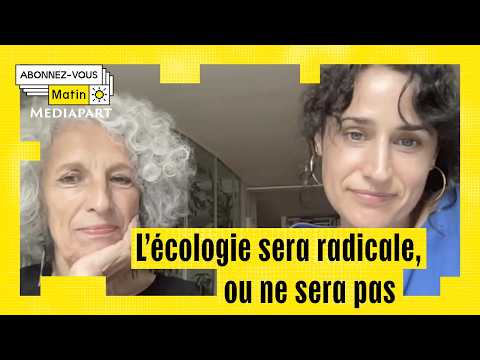
Presentation of Terrestre magazine and the stakes of radical ecology
Original title: Revue Terrestres : l'écologie sera radicale, ou ne sera pas
- 5.4kviews at the last measurement
- 87likes
- 7comments announced
- 56:19length
The video host welcomes two collaborators of the magazine Terrestre to present the objectives of this publication created in 2018. The guests define "radical ecologies" as an approach tackling the root causes of environmental problems, as opposed to "managerial" or "neoliberal" methods. They discuss the concept of "ecocide" and cite the company Syngenta as an example of environmental "criminals." One of the guests denounces the "agricultural orientation law," which she describes as a "dystopia." Finally, the speakers argue that the management of heatwaves reveals "class" and "race" inequalities in working-class neighborhoods, advocating for the development of a "popular ecology."
Claims made in the video
- L'écologie radicale doit s'attaquer aux causes structurelles plutôt qu'aux symptômes via des enquêtes et l'action directe.Environment and energy · speaker C · on this topic
- Il est nécessaire d'identifier et de nommer les « criminels » responsables d'écocides, comme l'entreprise Syngenta.Security and justice · speaker A
- La « loi d'orientation agricole » constitue une « dystopie » car elle agit à l'encontre de la conscience climatique.Institutions and democracy · speaker C
- La canicule est un phénomène politique qui met en lumière des inégalités de « classe » et de « race ».Equality and discrimination · speaker A
Claims found by the model, attributed to an anonymous speaker (A, B…), quoted in French as in the record. Each opens with the video.